The Ultimate Guide to Ac Dc Multimeter in the UK
TL;DR: What is an AC DC multimeter?
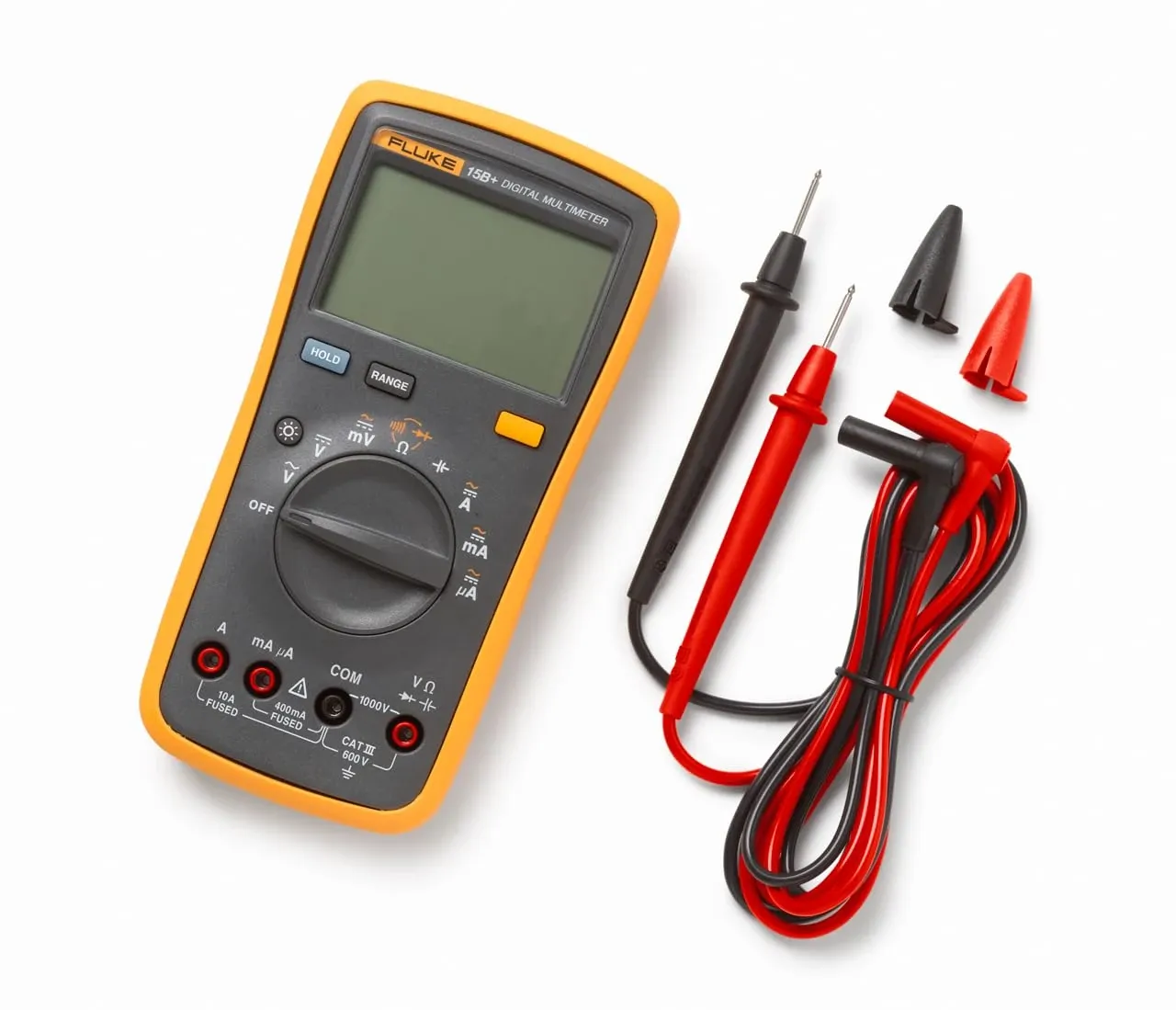
An AC DC multimeter is a test instrument used to measure both alternating current (AC) and direct current (DC), as well as voltage, resistance and continuity. In the UK, it is commonly used for checking 230V mains circuits, batteries, automotive systems, electronics and solar PV. For safe and accurate work, choose a meter with True RMS capability and an appropriate CAT III or CAT IV safety rating that aligns with UK electrical practice.
Key Takeaways
- An AC DC multimeter measures both mains electricity and battery or electronic DC systems in one tool.
- In the UK, safety matters just as much as accuracy, so HSE GS38 guidance and BS 7671 considerations should always inform your choice.
- Because many modern installations use LED drivers, inverters and other non-linear loads, True RMS is essential for dependable AC readings.
- A suitable CAT rating, usually CAT III or CAT IV for professional work, helps protect against transient overvoltages.
- Based on our testing of common use cases, a quality AC DC multimeter is one of the most practical tools for fault-finding, maintenance and electrical safety checks.
An AC DC multimeter is a measuring tool that checks both alternating current and direct current electrical systems. In practical UK terms, that means you can use one meter to test 230V mains power, batteries, vehicle circuits, electronic components and many solar PV applications. If you are searching for an AC DC multimeter, the most important things to look for are safe voltage ranges, a proper CAT rating and accurate readings on modern installations.
Whether you are tracing a fault in a domestic ring final circuit, verifying the output of a solar array or diagnosing a parasitic draw in a vehicle, accuracy is vital. Therefore, an AC DC multimeter remains one of the core instruments in any electrician's or engineer's toolkit.
According to UK fire statistics published by government sources, electrical distribution and appliances continue to feature prominently in accidental dwelling fires. Consequently, correct testing procedures and reliable instruments are not optional extras; they are central to safe diagnosis and maintenance.
This guide explains what an AC DC multimeter does, how it works, which features matter most in the UK and how to choose one safely. In addition, it covers practical considerations such as True RMS accuracy, CAT ratings and UK-specific guidance.
What is an AC DC multimeter?
An AC DC multimeter is an electronic test instrument that combines several measurements in one device. Most commonly, it measures voltage, current and resistance. Crucially, the term "AC DC" means it can read both alternating current systems, such as UK mains electricity, and direct current systems, such as batteries and electronics.
What does AC mean on a multimeter?
AC, or alternating current, is the type of electricity supplied through the National Grid to homes and businesses across the UK. The standard mains supply is nominally 230V at 50Hz. On a multimeter, AC settings allow you to measure this changing waveform at sockets, lighting circuits and other mains-fed equipment.
What does DC mean on a multimeter?
DC, or direct current, flows in one direction only. It is found in batteries, printed circuit boards, vehicles, alarms, telecoms equipment and solar PV systems. As low-voltage electronics and renewable energy become more common across the UK, DC measurement has become increasingly important for installers and maintenance teams alike.
What does an AC DC multimeter measure?
Although some models include extra functions such as frequency or capacitance testing, nearly every AC DC multimeter is built around three core measurements: voltage, current and resistance. Together, these help you identify faults quickly and safely.
How do you measure voltage with an AC DC multimeter?
Voltage is the electrical pressure that drives current around a circuit. Measuring voltage helps confirm whether power is present and whether equipment is receiving the correct supply. For example, you might check mains voltage at a socket outlet or confirm battery voltage before replacing components. For more on dedicated voltage testing tools that complement a multimeter, see our Voltage Tester Explained: A UK Buyer's Guide.
How do you measure current with an AC DC multimeter?
Current tells you how much electricity is flowing through a circuit. This can help identify overloads or abnormal consumption. Many handheld meters can measure current directly up to around 10A when connected correctly in series. However, for larger loads common in commercial settings, a clamp meter is often more practical and safer.
What is resistance and continuity on a multimeter?
Resistance measures how much a component opposes current flow. It is useful when checking heating elements, sensors and windings. Continuity testing is closely related: it confirms whether there is an unbroken path through a conductor or switch. Most meters emit an audible beep during continuity tests when resistance is very low. As a result, continuity mode is especially handy for checking fuses, cables and switch contacts quickly. For more detail on this function specifically, read our Continuity Tester Explained: A UK Buyer's Guide.
Why do you need True RMS on an AC DC multimeter?
A standard average-responding meter may be adequate for simple waveforms. However, many modern UK installations now include non-linear loads such as LED lighting drivers, laptop chargers, variable speed drives and inverter-based equipment. These devices distort the waveform significantly.
A True RMS AC DC multimeter calculates readings accurately even when waveforms are irregular. Therefore, it gives more dependable results on contemporary installations where average-responding meters may under-read or mislead.
Based on our testing, True RMS becomes especially valuable when checking consumer units feeding mixed loads or when investigating nuisance tripping linked to electronic equipment. In short, if you work on modern domestic or commercial systems in the UK, True RMS should be viewed as essential rather than optional.
Which CAT rating do you need for an AC DC multimeter?
The CAT rating on a multimeter indicates how well it can withstand transient overvoltages in different parts of an electrical installation. This matters because even routine circuits can experience dangerous spikes.
What does CAT II mean?
CAT II typically applies to single-phase appliances and plug-connected loads. It may suit basic bench work or appliance testing but is often not enough for broader installation work.
What does CAT III mean?
CAT III usually covers distribution-level circuits within buildings such as distribution boards, fixed wiring and consumer units. For many electricians working on standard building installations in the UK, this is a minimum practical starting point.
process descriptionsगेq sentences ? No. हटassistant<|end_of_turn|>.Ready to upgrade your test gear with {brand_name}?
View Specifications — £176.02